Artificial Intelligence is rapidly transforming the software development landscape. With tools powered by OpenAI and integrations such as GitHub Copilot from Microsoft and GitHub, developers now have powerful assistants that can generate code, automate repetitive tasks, and improve productivity. The relationship between AI and developers is evolving rapidly, creating new opportunities and reshaping traditional workflows.
However, with this rapid growth comes misinformation. Many myths about AI and developers create confusion about its real impact. In this blog, we’ll break down the most common myths and explain the truth behind them.

Myth 1: Developers Mostly Write Code
Reality: Coding is only a small part of a developer’s job
Many people believe developers spend most of their time typing code. In reality, coding is just one part of software development. Developers also spend significant time on:
- Understanding requirements
- Designing system architecture
- Debugging and fixing issues
- Testing and validating software
- Collaborating with teams
- Reviewing code
AI tools can help write code faster, but they don’t replace the thinking, planning, and decision-making required to build reliable software. This highlights how AI and developers complement each other rather than compete.
Myth 2: Coding Is the Main Bottleneck
Reality: The biggest challenges are understanding and problem-solving

Coding itself is not usually the slowest part of development. The real bottlenecks include:
- Understanding business requirements
- Identifying the right solution
- Debugging complex systems
- Ensuring security and performance
AI can speed up coding, but developers still need to analyze problems, design solutions, and validate results. The effectiveness of AI and developers depends heavily on human intelligence and decision-making.
Myth 3: Lines of Code Prove AI Productivity
Reality: More code doesn’t mean better productivity
Many assume that if AI generates more code, productivity automatically increases. But productivity is measured by:
- Quality of code
- Reliability
- Maintainability
- Performance
- Business value delivered
AI may generate hundreds of lines quickly, but developers must review and optimize it to ensure it works correctly and efficiently.
Myth 4: AI Boosts Every Engineer and Task Equally
Reality: AI helps differently depending on experience and task type
AI benefits vary based on:
- Developer experience level
- Complexity of the project
- Type of work
AI is especially useful for:
- Writing boilerplate code
- Generating templates
- Automating repetitive tasks
- Providing suggestions
However, complex architecture design and critical decision-making still require human expertise. The impact of AI and developers varies depending on skill level and the nature of the task.
Myth 5: AI Creates “10x Developers”
Reality: AI enhances productivity but doesn’t magically create experts
The idea of a “10x developer” suggests that AI makes developers ten times more productive instantly. While AI improves efficiency, productivity depends on:
- Problem-solving skills
- System design knowledge
- Experience
- Critical thinking
AI is a powerful assistant, not a replacement for skills and experience.
Myth 6: AI Will Replace Software Engineers
Reality: AI will augment developers, not replace them
AI can automate repetitive tasks, but software development involves creativity, judgment, and responsibility. The future of AI and developers is collaborative, not competitive.
Developers are needed to:
- Define requirements
- Design systems
- Review AI-generated code
- Ensure security and compliance
- Solve complex problems
In fact, AI is creating new roles such as:
- AI Engineers
- Prompt Engineers
- AI Integration Specialists
- Machine Learning Engineers
This means AI is expanding opportunities, not eliminating them.
Myth 7: Making AI Work Is an Individual Responsibility
Reality: AI success requires teamwork
AI adoption is not just about individual developers. It requires collaboration between:
- Developers
- Project managers
- Organizations
- Security teams
- Business stakeholders
Successful AI implementation depends on:
- Proper training
- Clear processes
- Team collaboration
- Organizational support
AI delivers the best results when teams work together.
Myth 8: Strong Tools Get Adopted Automatically
Reality: Adoption depends on training, culture, and trust
Even powerful AI tools won’t be used effectively unless organizations provide:
- Proper training
- Clear guidelines
- Support and resources
- Trust and understanding
Technology alone is not enough—people and processes matter.
How AI Is Actually Helping Developers
The real benefits of AI and developers working together are already visible in modern software development:
1. Faster Code Generation
AI can generate templates, functions, and repetitive code quickly.
2. Improved Productivity
Developers can focus on complex tasks instead of repetitive work.
3. Better Learning Support
AI helps beginners understand code and concepts faster.
4. Faster Debugging
AI can suggest fixes and identify potential issues.
5. Enhanced Innovation
Developers can experiment and build solutions faster.
The Future of Developers in the AI Era
The future of AI and developers will redefine how software is built and delivered. Developers who learn to use AI tools effectively will have major advantages:
- Higher productivity
- Better efficiency
- More career opportunities
- Increased demand in the job market
AI will become a standard part of the software development workflow.
Conclusion
AI is transforming software development, but it doesn’t replace developers—it empowers them. While AI can speed up coding and automate repetitive tasks, critical thinking, problem-solving, and system design still require human expertise. Understanding AI and developers is essential for anyone who wants to build a successful career in modern software development.
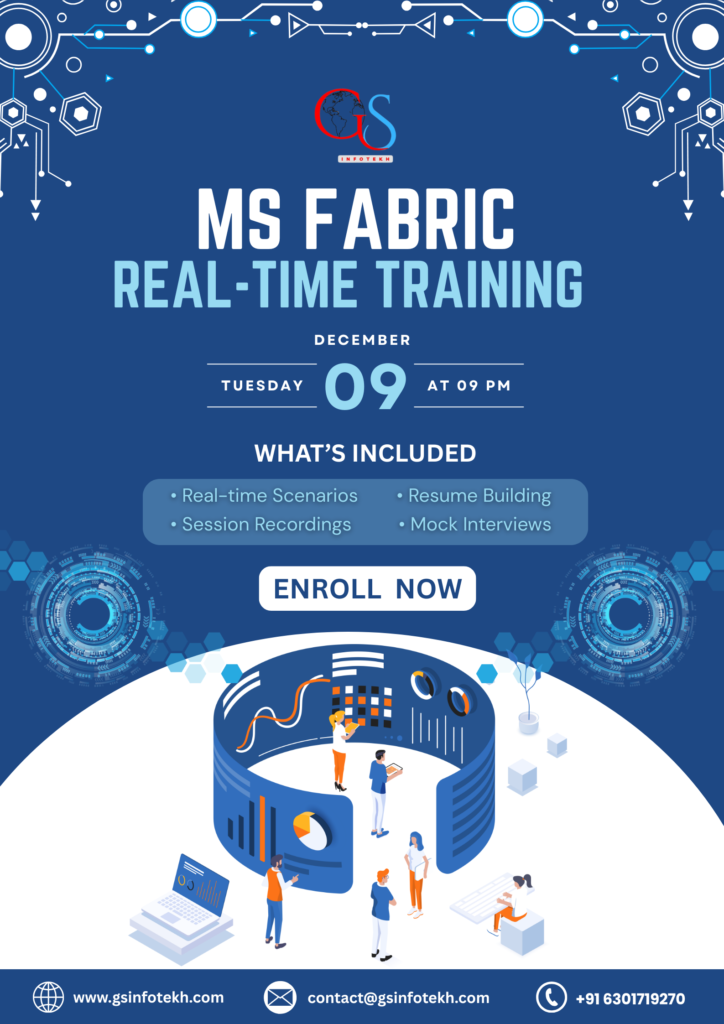
The future belongs to developers who learn to collaborate with AI and use it as a powerful tool to build smarter, faster, and better solutions. Grab your opportunity with GSInfotekh in our upcoming training sessions in your career-building program.